



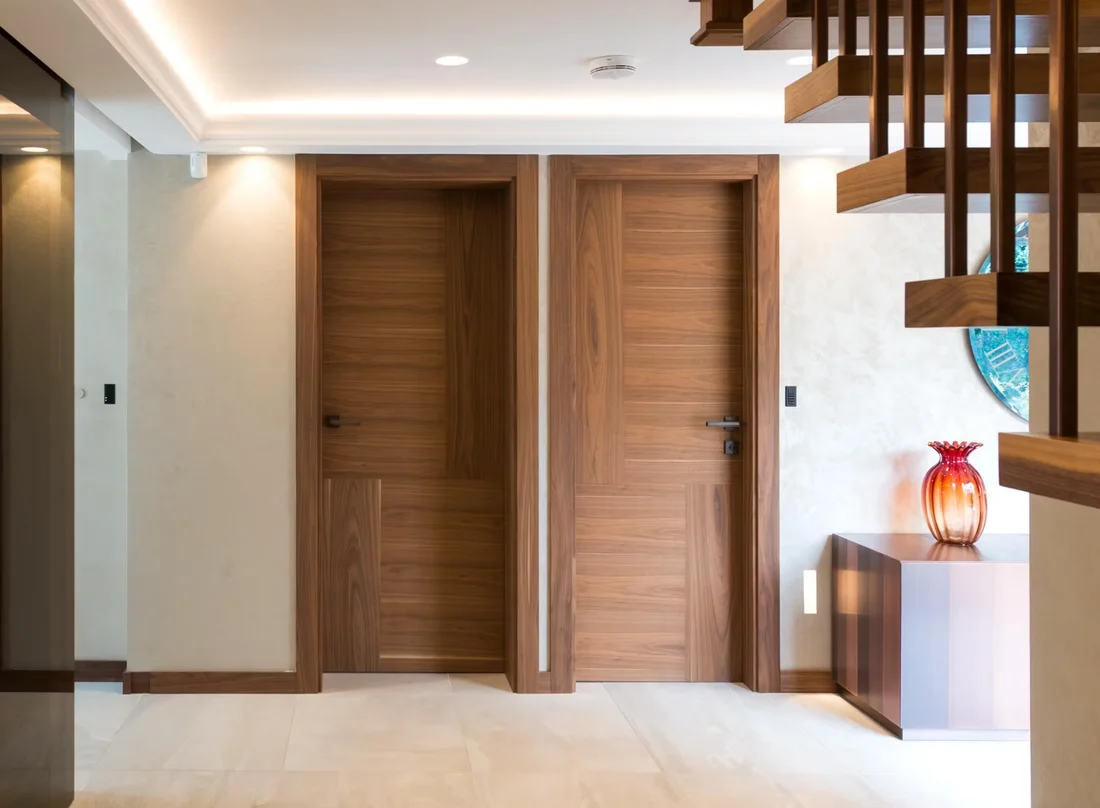
Interior doors are often treated as practical necessities, but they can have a surprisingly strong influence on the overall appearance of a home. Their colour, material, proportions, hardware, and design can either strengthen your décor or make different spaces feel disconnected. Choosing the right doors therefore requires more than simply selecting a style that looks attractive on its own.
The best approach is to consider the door as part of the larger interior scheme. Flooring, wall colours, furniture, lighting, architectural details, and hardware should all work together. Current interior-door guidance similarly emphasizes coordinating doors with flooring, walls, furniture, materials, and the way each room is used.
Whether your home is minimalist, contemporary, transitional, industrial, or warm and natural, Modern interior doors can be selected to create a polished and cohesive appearance.
Start by Identifying Your Home’s Décor Style
Before choosing a door, look at the overall design language of your home. Consider whether the rooms are predominantly minimalist, contemporary, traditional, industrial, Scandinavian-inspired, rustic, or transitional.
A minimalist home usually benefits from simple doors with smooth surfaces and limited decorative detail. A warmer contemporary interior may look better with natural wood or wood-look finishes. Industrial spaces can accommodate metal-framed glass doors, while transitional homes can combine modern door profiles with subtle panel detailing.
The goal is not necessarily to make every element identical. Instead, the door should share some visual characteristics with the existing décor.
Match the Door Design to Your Furniture
Furniture is one of the easiest places to find inspiration for an interior door.
If your furniture has straight edges, simple silhouettes, and clean surfaces, a flush door can reinforce that streamlined appearance. If the room contains substantial wooden furniture, a wood veneer door can introduce a complementary natural texture.
You can also create contrast intentionally. For example, a room with pale furniture could use a darker door as an architectural accent. The important point is to make the contrast feel deliberate rather than accidental.
Coordinate Doors With Your Flooring
Flooring and doors occupy significant visual areas, so their relationship can strongly affect the room.
Light oak, natural wood, and soft neutral flooring can pair well with white, beige, light grey, or natural timber doors. Darker flooring can be balanced with lighter doors, or complemented by a deeper wood finish when a more dramatic atmosphere is desired.
You do not have to match the door and floor exactly. In fact, using slightly different but compatible tones can create more depth. What matters is that the undertones work together rather than competing.
Choose Door Colours That Support the Walls
Door colour can either blend into the background or become a noticeable design feature.
White doors remain a versatile option because they can work with many wall colours and decorating styles. Soft grey, beige, taupe, and natural wood finishes can add warmth while remaining understated.
For a more dramatic contemporary look, darker doors can create definition against lighter walls. Black or deep charcoal doors can be particularly effective when similar tones appear elsewhere in the room, such as in lighting fixtures, window frames, furniture, or decorative accessories.
A useful principle is to repeat an important colour somewhere else in the space. This helps a bold door feel connected rather than isolated.
Consider the Shape and Lines of the Room
The geometry of a door should complement the architecture around it.
Homes with clean architectural lines often benefit from flat or subtly detailed doors. Flush doors are especially useful when you want the walls and architectural features to remain the visual focus.
If your home has more traditional mouldings, arches, decorative trim, or classic furniture, a completely plain door may sometimes feel too stark. A contemporary panelled design can provide a bridge between traditional architecture and modern décor.
Modern design does not always mean completely flat. Simple geometric grooves or carefully proportioned panels can provide visual interest without making the door look overly decorative.
Use Glass to Connect Spaces
Glass doors can be useful when you want separation without making rooms feel completely closed off.
For example, a glass-panel door between a living room and home office can provide visual connection while still defining the two areas. Frosted, fluted, or textured glass can provide greater privacy while allowing some light to pass through.
Glass can also make darker areas feel more connected to brighter rooms. However, privacy should always be considered before selecting clear glazing for bedrooms, bathrooms, or other private spaces.
Think About Door Hardware as Part of the Décor
Handles, hinges, and other hardware may be small details, but they can have a significant effect on the finished appearance.
Matte black hardware can reinforce contemporary or industrial décor. Brushed metal can work well in clean, modern spaces, while warmer brass or bronze finishes can complement wood, cream, beige, and transitional interiors.
Try to coordinate door hardware with other metal finishes already present in the room. Matching the handle with lighting fixtures, cabinet pulls, faucets, or window details can create a stronger sense of consistency.
Match the Door Finish to the Mood You Want
The finish of a door can change how a room feels.
Natural Wood for Warmth
Natural wood and wood veneers bring texture and warmth into contemporary spaces. They are particularly effective when the room already contains timber furniture, wood flooring, woven materials, or other organic elements.
Painted Finishes for Simplicity
Painted doors are ideal when you want the architecture to remain understated. White, cream, grey, and other neutral finishes can create a calm backdrop for colourful furniture and artwork.
Dark Finishes for Contrast
Dark doors can provide definition and visual weight. They work especially well when darker accents are repeated throughout the room.
Use Consistency Throughout the Home
One of the easiest ways to create a polished interior is to maintain a consistent door language throughout connected spaces.
This does not mean every door must be completely identical. You might use the same basic finish and hardware throughout the home while changing the configuration when necessary.
For example, bedrooms could have solid flush doors, while a home office could use a glazed version of a similar design. A narrow hallway might benefit from a pocket door where space is limited. This creates variety without losing visual continuity.
Choose Different Door Types for Different Rooms
A beautiful door is only successful if it also works practically.
Bedrooms generally require privacy and good sound control, making solid-core options worth considering. Bathrooms require materials and finishes appropriate for humid conditions. Home offices may benefit from glazed doors when natural light is important.
Sliding and pocket doors can be particularly useful where a traditional swinging door would interfere with furniture or reduce usable floor space. Modern door systems are available in hinged, sliding, folding, pocket, and glazed configurations, allowing homeowners to balance appearance with practical requirements.
Consider the Size of the Room
Door proportions can influence how spacious a room feels.
In smaller interiors, a simple door with a light finish can help maintain visual openness. Full-height designs can emphasize vertical lines and make ceilings appear taller, while glass can help maintain a visual connection between spaces.
For larger rooms, a wider or more substantial door can provide an appropriate sense of scale. Oversized doors can become architectural features rather than simply functional openings.
Do Not Ignore the Door Frame
The door itself is only part of the visual composition. The frame, casing, hinges, and surrounding trim also matter.
Minimalist interiors may benefit from slim casings or concealed-frame solutions that allow the door to blend more closely with the wall. Traditional spaces may look better with visible trim that connects the doorway with existing architectural mouldings.
If you are renovating, consider the frame at the same time as the door. A beautifully selected slab can still look out of place if the surrounding trim clashes with the rest of the room.
Create Contrast Without Creating Chaos
Contrast can make an interior more interesting, but too many unrelated finishes can make the home feel disjointed.
If you choose a bold black door, for example, repeat black through a few smaller elements such as lighting, furniture legs, shelving, or cabinet hardware. If you select a natural oak door, consider repeating similar wood tones elsewhere.
This technique creates visual connections between different elements and makes the door feel like part of the overall design rather than an isolated feature.
Think About Light and Privacy Together
Décor is important, but doors also influence how light and privacy move through the home.
A glazed door can increase visual openness, while a solid door provides stronger separation. Frosted or textured glass offers a middle ground for spaces where you want light without completely sacrificing privacy.
Choosing doors according to both aesthetic and functional requirements produces a more successful result than selecting them based on appearance alone.
Common Mistakes to Avoid
One common mistake is choosing every door independently. Although each door may look attractive on its own, using too many unrelated styles can make the home feel inconsistent.
Another mistake is matching the door colour too precisely to the floor. Similarity is useful, but exact matching is not always necessary. Consider undertones, texture, and the overall colour palette instead.
It is also easy to overlook hardware. A beautiful door with hardware that conflicts with the rest of the room can lose some of its visual impact.
Finally, do not sacrifice functionality for appearance. A stylish glass door may not be appropriate where complete privacy is essential, while a swinging door may be inconvenient in a very small room.
A Simple Formula for Choosing the Right Door
When you are uncertain, evaluate the door using five questions:
- Does its design complement my furniture?
- Does its colour work with my walls and flooring?
- Does its finish suit the overall mood of the room?
- Does the hardware coordinate with other metal details?
- Does the door provide the privacy, light, and space-saving features I need?
If the answer to all five is yes, you are likely moving toward a cohesive choice.
Final Thoughts
Matching doors with home décor is ultimately about creating visual harmony while preserving everyday functionality. The right choice should feel connected to the furniture, flooring, walls, lighting, architecture, and hardware without making the interior look overly coordinated.
Modern interior doors provide plenty of flexibility because they are available in clean flush designs, subtle panelled styles, natural wood finishes, glazed configurations, sliding systems, and other contemporary options. By considering the character of your home first and the door second, you can create rooms that feel intentional, balanced, and finished.
