



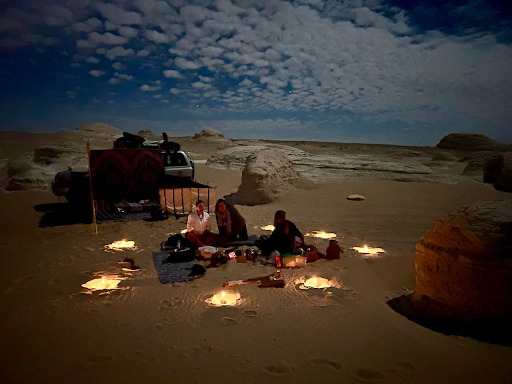
In the heart of Egypt’s Western Desert lies a treasure that has captivated travelers for centuries. Siwa Oasis, a remote sanctuary approximately 600 kilometers from Cairo, represents the perfect escape from modern life’s chaos. For adventurers seeking authentic experiences, Camping Siwa offers something extraordinary: a journey into ancient traditions, breathtaking natural beauty, and the profound silence of endless desert landscapes under star-filled skies.
Discovering Siwa’s Unique Character
Unlike Egypt’s mainstream tourist destinations, Siwa maintains an authentic character that transports visitors to another world. This isolated oasis was virtually cut off from the rest of Egypt until the 1980s, allowing its indigenous Amazigh population to preserve their distinctive language, customs, and architectural traditions. The result is a destination where mud-brick fortresses rise from palm groves, natural springs bubble up through desert sands, and ancient history blends seamlessly with living culture.
The landscape itself seems almost impossible. Surrounded by the Great Sand Sea, one of Earth’s most expansive dune fields, Siwa’s verdant palm forests and crystalline springs create a stunning contrast against golden desert expanses. This unique environment, combined with Bedouin hospitality and minimal light pollution, makes camping in Siwa an experience unlike any other in Egypt or the broader Middle East.
Camping Options for Every Traveler
Siwa accommodates diverse camping preferences, from minimalist desert adventures to comfortable eco-lodge experiences. Traditional Bedouin camping represents the most authentic option, where you’ll sleep in basic tents surrounded by nothing but sand dunes and stars. These excursions typically venture deep into the Great Sand Sea, far from any artificial light or sound. Your Bedouin guides prepare meals over open fires, share traditional music and stories, and teach you about desert survival techniques passed down through generations.
Established camps like Siwa Astro Camp, Forest Camp, and Santa Rya Siwa Camp offer middle-ground solutions. These semi-permanent facilities feature comfortable tent accommodations with actual beds, shared bathroom facilities with hot showers, and communal areas where travelers gather to exchange stories. Many include swimming pools filled with spring water, outdoor dining areas under palm trees, and organized activities ranging from sandboarding to cultural workshops. These camps balance authentic desert ambiance with practical comforts that make extended stays enjoyable.
Luxury eco-lodges represent the premium camping category, providing private cabins or well-appointed tents with en-suite bathrooms, air conditioning, and premium furnishings. Properties like Siwa Tonaroz combine sustainable architecture using traditional materials with modern amenities, allowing you to experience Siwa’s natural beauty without sacrificing comfort. These establishments often feature gourmet restaurants serving traditional Siwan cuisine, spa facilities utilizing local salt and herbs, and personalized excursion planning.
Adventures in the Great Sand Sea
No camping trip to Siwa feels complete without exploring the Great Sand Sea, where towering dunes stretch endlessly toward the horizon. Desert safaris begin in late afternoon when temperatures become manageable. Riding in 4×4 vehicles driven by experienced local guides, you’ll climb massive dunes that reach several hundred meters high. The sensation of cresting these golden giants and seeing nothing but waves of sand extending to every horizon creates an overwhelming sense of nature’s vastness.
Sandboarding adds adrenaline to desert exploration. Using simple wooden boards, you’ll slide down steep dune faces, gaining surprising speed on the fine desert sand. Whether you’re an experienced boarder or complete beginner, the soft landing makes this activity accessible and entertaining for all ages. The best slopes face west, allowing you to ride down while watching the sun paint the sky in magnificent colors.
Bir Wahed combines hot and cold springs within the same area, creating unique bathing experiences. The hot spring maintains temperatures around 40 degrees Celsius year-round, while the adjacent cold spring offers refreshing contrast. Swimming in these remote pools surrounded by pristine desert landscape feels like discovering a secret known only to desert nomads. Many safari packages include sunset viewing from the highest accessible dunes, where you’ll sip traditional Siwan tea brewed over charcoal fires while watching daylight fade into star-studded darkness.
Natural Wonders and Historical Treasures
Beyond desert adventures, Siwa offers remarkable natural and historical attractions that enrich any camping experience. Salt lakes with salinity comparable to the Dead Sea allow effortless floating in crystal-clear waters. These therapeutic pools, formed where underground springs mix with natural salt deposits, have become increasingly popular for their healing properties and stunning photographic opportunities. Swimming in these lakes as the sun sets creates surreal experiences where sky and water blend in impossible shades of pink and orange.
Cleopatra’s Spring, also called the Spring of Juba, invites visitors to swim in the same natural pool where legend claims Egypt’s famous queen once bathed. This large stone-lined spring maintains constant temperature and exceptional clarity, fed by underground aquifers. Palm trees surrounding the spring provide shade for lounging between swims, while nearby cafes serve traditional refreshments.
Shali Fortress dominates Siwa’s skyline, its ancient mud-brick walls rising dramatically from the oasis center. Built in the 13th century using kershef, a traditional mixture of salt, mud, and clay, this fortress protected Siwan residents from desert raiders for centuries. Though partially destroyed by rare rainfall in 1926 and subsequent weathering, the remaining structure offers panoramic views across palm groves, salt lakes, and surrounding desert. Climbing to the fortress’s highest accessible points at sunset provides some of Siwa’s most spectacular photography opportunities.
The Temple of the Oracle of Amun holds profound historical significance. Alexander the Great traveled to this remote temple in 331 BCE seeking confirmation of his divine status. The temple sits atop a rocky outcrop, commanding views across the entire oasis. Walking through its ancient chambers and imagining the ceremonies that occurred here millennia ago adds depth to your Siwa experience. The nearby Temple of Umm Ubayd, though more ruined, features interesting architectural details and usually attracts fewer visitors, allowing peaceful contemplation.
Stargazing and Night-Sky Magic
Because Siwa is isolated and far from lights and pollution, the Milky Way lights up the night sky with exceptional clarity. For many visitors, stargazing represents their most memorable Siwa experience. The absence of artificial light combined with clear desert air creates viewing conditions that rival world-class astronomical observatories. On moonless nights, you can distinguish the Milky Way’s individual star clouds and regularly spot shooting stars streaking across the heavens.
Many camps organize dedicated stargazing sessions with local guides who share both astronomical knowledge and traditional Bedouin star lore. You’ll learn how desert travelers historically navigated by celestial markers and hear stories about constellations told around Siwa campfires for generations. Some camps provide telescopes for closer observation of planets, star clusters, and distant galaxies. The combination of scientific wonder and cultural storytelling creates educational entertainment suitable for all ages.
Astrophotography enthusiasts find Siwa particularly rewarding. The dark skies allow long-exposure photography that captures stunning images of star trails, the Milky Way arching overhead, and even faint nebulae visible to camera sensors. Many photographers time their visits to coincide with new moon phases for maximum darkness, though even moonlit nights offer beautiful opportunities to capture dunes illuminated by lunar glow.
Cultural Immersion and Local Traditions
Camping in Siwa provides authentic cultural experiences impossible to find in conventional hotels. Many camps are family-owned operations where you’ll interact directly with Siwan hosts who share their traditions, language, and daily life. You might learn traditional crafts like palm weaving, watch demonstrations of olive oil pressing using centuries-old stone mills, or participate in preparing traditional meals using authentic techniques.
Siwan cuisine differs noticeably from typical Egyptian food, reflecting the oasis’s unique history and agricultural products. Meals often feature dates from local palms, olives grown in Siwan groves, and fresh vegetables from oasis gardens. Traditional dishes include meat cooked underground using hot stones, a technique that produces incredibly tender results. Breakfast spreads typically offer locally produced honey, fresh cheese, and bread baked in traditional ovens. Even simple camp meals become memorable when prepared with local ingredients and traditional methods.
Music and dance form integral parts of Siwan culture. Evening gatherings often include performances of traditional Amazigh music featuring distinctive rhythms and instruments different from Egyptian Arabic music. The simsimiyya, a lyre-like instrument, creates haunting melodies that seem perfectly suited to desert nights. Visitors are usually invited to join communal dances, learning basic steps while building connections with hosts and fellow travelers.
Practical Planning Considerations
Reaching Siwa requires commitment given its remote location, but the journey contributes to the adventure’s appeal. Most travelers depart Cairo via comfortable tourist buses that make the 8-10 hour journey overnight, arriving in Siwa refreshed and ready to explore. The route passes through Marsa Matrouh on the Mediterranean coast before turning south into the desert. Private car hire offers more flexibility but requires experienced drivers familiar with desert roads.
Timing significantly impacts your camping experience. October through April offers ideal weather, with daytime temperatures ranging from pleasant to warm and cool, comfortable nights perfect for sleeping outdoors. During these months, you can comfortably explore during midday without extreme heat concerns. Summer months from May through September see temperatures exceeding 40 degrees Celsius, making camping uncomfortable and potentially dangerous. Winter months, particularly December through February, feature lovely daytime weather but surprisingly cold nights where temperatures can approach freezing, requiring quality sleeping bags and warm layers.
Packing appropriately ensures comfort throughout your stay. Essential items include lightweight, breathable clothing for daytime, warm layers including a fleece or jacket for evenings, a wide-brimmed hat and quality sunglasses for sun protection, and comfortable closed-toe shoes suitable for walking on sand and rocks. High SPF sunscreen and moisturizing lip balm protect against intense desert sun. A reusable water bottle helps you stay hydrated while minimizing plastic waste. Headlamps or flashlights prove invaluable for navigating camps after dark. Camera equipment should include extra batteries, as desert conditions drain them quickly, and protective bags against sand infiltration.
Respecting Local Culture and Environment
Siwa maintains conservative Islamic traditions, and visitors should dress and behave respectfully. When in town, both men and women should cover shoulders and knees. At natural springs and salt lakes, observe designated swimming times for different genders, as mixed bathing is not culturally appropriate in many locations. Photography of local people requires permission; many Siwans prefer not to be photographed for religious and cultural reasons, and respecting these preferences demonstrates cultural sensitivity.
Environmental responsibility becomes increasingly important as Siwa grows more popular. Choose camping operators demonstrating genuine commitment to sustainability through proper waste management, renewable energy use, and support for local communities. Never leave trash in the desert or around camping areas adopt leave-no-trace principles strictly. Avoid disturbing archaeological sites or removing stones, artifacts, or plants from protected areas. Water represents a precious resource in desert environments, so use it sparingly even when showering facilities seem abundant.
Supporting the local economy benefits Siwan communities directly. Purchase handicrafts from local artisans rather than middlemen, dine at family-owned restaurants in town, and choose Siwan-owned camps when possible. These choices ensure tourism revenues benefit the people preserving Siwa’s unique culture and environment.
Conclusion
Camping Siwa offers transformative experiences that extend far beyond typical vacation memories. This remarkable oasis combines natural beauty, ancient history, living culture, and adventure in proportions found nowhere else in Egypt. Whether you’re floating effortlessly in therapeutic salt lakes, riding across endless dunes under blazing sun, exploring temples where ancient oracles spoke to emperors, or simply lying beneath more stars than you’ve ever seen, Siwa creates moments that reshape your understanding of Egypt and the desert itself.
The combination of Bedouin hospitality, preserved traditions, stunning landscapes, and authentic cultural exchange makes camping in Siwa particularly meaningful. Unlike packaged tourist experiences, camping here connects you directly with the environment, local people, and ancient ways of life that have endured despite modernization’s pressures. Each sunset watched from desert dunes, each conversation around evening campfires, and each morning awakening to palm-rustling breezes adds layers to your appreciation of this extraordinary place.
For travelers seeking genuine adventure, cultural authenticity, and natural beauty, camping Siwa deserves prominent placement on any bucket list. This hidden corner of Egypt rewards those willing to venture beyond conventional tourist circuits with experiences that linger long after you’ve returned to daily life. Start planning your Siwa camping adventure and prepare to discover why this remote oasis captures travelers’ hearts so completely.
Frequently Asked Questions
Q: What is the best time of year for camping in Siwa? The optimal period runs from October through April when daytime temperatures are comfortable and nights are pleasantly cool. March and November offer particularly ideal conditions with moderate temperatures day and night. Avoid summer months (May-September) when extreme heat makes camping uncomfortable, and be prepared for cold nights during winter months (December-February) which may require heavy sleeping bags.
Q: How much does camping in Siwa typically cost? Budget camping in basic shared facilities starts around $30-50 per person per night. Mid-range eco-camps with better amenities cost $80-150 nightly. Luxury eco-lodges exceed $200 per night. All-inclusive multi-day packages from Cairo including transportation, meals, camping equipment, and guided tours typically range from $200-500 per person for 3-4 days depending on accommodation level and group size.
Q: Is it safe for solo travelers, especially women, to camp in Siwa? Siwa is generally safe for solo travelers when booking through reputable operators. The local community is known for hospitality and low crime rates. However, Siwa maintains conservative traditions, so female travelers should dress modestly and may feel more comfortable joining group tours or staying at established camps rather than attempting independent desert camping. Always inform someone of your itinerary and choose licensed tour operators.
Q: Can I camp independently in the Great Sand Sea? Independent desert camping is strongly discouraged and potentially dangerous. The Great Sand Sea lacks marked routes, GPS signals are unreliable, and survival without local knowledge is extremely difficult. Even experienced outdoor enthusiasts should hire licensed guides with proper 4×4 vehicles and communication equipment. Organized tours provide safety while delivering better experiences through local guides’ knowledge.
Q: What should I know about bathroom facilities at Siwa camps? Facilities vary significantly by camp type. Budget camps typically offer shared bathrooms with basic toilets and cold-water showers or bucket baths. Mid-range camps provide shared bathrooms with hot water and Western-style toilets. Luxury eco-lodges feature private en-suite bathrooms with full amenities. During desert camping expeditions, facilities are basic or non-existent, bring toilet paper, hand sanitizer, and prepare for outdoor bathroom situations.
Q: Are there medical facilities available in Siwa? Siwa has a small hospital and pharmacy for basic medical needs, but facilities are limited compared to major cities. Serious medical emergencies require evacuation to Marsa Matrouh or Cairo. Bring any prescription medications, basic first aid supplies, and comprehensive travel insurance covering emergency evacuation. Most common issues involve dehydration, sunburn, or minor digestive upset all preventable with proper precautions.
Q: What wildlife might I encounter while camping? The Western Desert hosts adapted wildlife including desert foxes, various lizard species, scorpions, and numerous bird species. Most animals are nocturnal and avoid humans. Scorpions occasionally enter camps, so check shoes and sleeping areas before use. Dangerous encounters are rare with basic precautions. The area lacks large predators, making camping relatively safe from wildlife threats compared to other wilderness destinations.
