



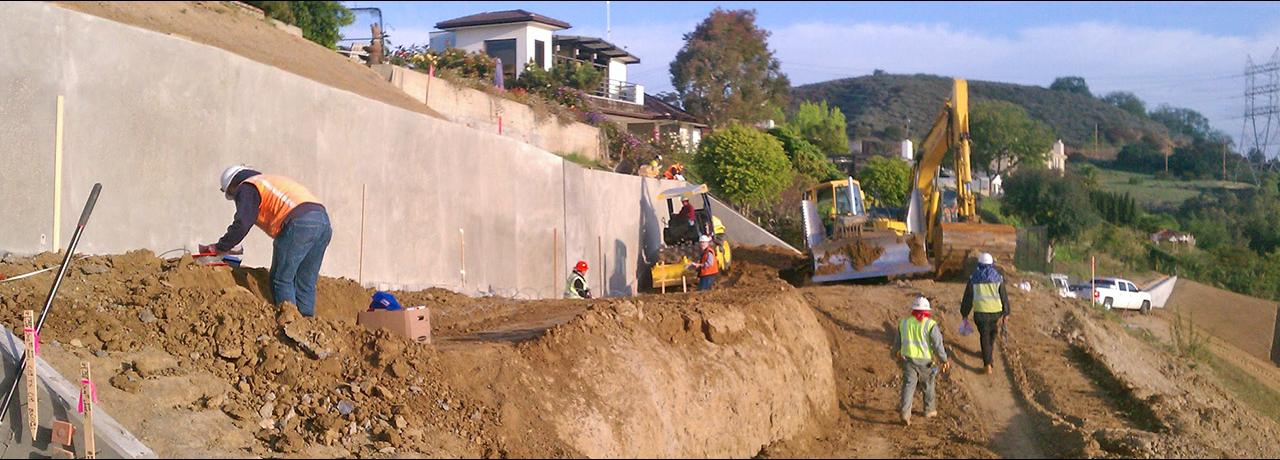
Excavation work is a common part of modern construction, whether it involves building foundations, installing underground utilities, or preparing land for development. While these projects improve infrastructure and property value, they can also introduce temporary risks for nearby homeowners. Living close to an active excavation site requires awareness, preparation, and cooperation with professionals. By understanding potential hazards and following practical safety measures, residents can protect their homes and families while projects are underway. Working responsibly with experienced excavating contractors is one of the most effective ways to maintain a safe environment during construction.
Understanding the Risks of Nearby Excavation
Excavation projects involve heavy machinery, soil removal, trenching, and frequent movement of equipment. These activities can create vibrations, dust, noise, and temporary structural changes in the surrounding ground. In some cases, excavation can also affect drainage systems or underground utility lines.
For homeowners living near construction zones, the most common concerns include ground instability, falling debris, restricted access roads, and accidental contact with heavy machinery. Reputable excavating contractors typically implement safety protocols to minimize these risks, but residents should still stay alert and informed about the work happening around their property.
Keep a Safe Distance from the Work Area
One of the most important safety tips is maintaining a safe distance from excavation zones. Trenches, open pits, and heavy equipment can pose serious hazards if approached too closely. Homeowners should respect warning signs, barriers, and fencing installed around the site.
Parents should also ensure that children understand the dangers of playing near construction areas. Even when workers are not present, excavation sites can still contain unstable ground or partially covered pits. Professional excavating contractors establish restricted zones for a reason, and respecting those boundaries helps prevent accidents.
Protect Your Home’s Structural Integrity
Excavation activities sometimes cause ground vibrations that can affect nearby structures. While most modern construction methods are designed to minimize these impacts, homeowners should take precautionary steps to monitor their property.
Before major excavation begins, it can be helpful to inspect your home for existing cracks in walls, ceilings, or foundations. Documenting the condition of your property provides a useful reference point in case any changes occur during construction. Many responsible excavating contractors also conduct pre-construction inspections to ensure surrounding buildings remain protected.
Be Aware of Utility Lines and Services
Excavation projects often involve working around underground utilities such as water lines, gas pipelines, electrical cables, and communication networks. Accidental damage to these lines can disrupt services for nearby homes.
Residents should pay attention to any notices about temporary service interruptions or utility work schedules. If you observe unusual smells, sparks, or leaks near an excavation site, it’s important to report them immediately. Experienced excavating contractors coordinate with local utility providers to locate and protect these lines, but public awareness adds an extra layer of safety.
Manage Dust and Air Quality
Excavation work can generate significant dust, especially during dry weather or when soil is being transported. Excessive dust may affect air quality and settle on nearby homes and vehicles.
Homeowners can reduce exposure by keeping windows closed during active digging periods and using indoor air purifiers if necessary. Planting shrubs or installing temporary barriers can also help limit dust movement toward residential properties. Professional excavating contractors often control dust by spraying water on exposed soil and covering transport loads, but residents should remain mindful of air quality during construction.
Stay Informed About the Construction Schedule
Communication plays a key role in maintaining safety near excavation zones. Many construction companies share schedules, updates, or contact information with nearby residents before beginning work.
Knowing when heavy equipment will be operating allows homeowners to plan activities accordingly and avoid unnecessary exposure to noise or traffic disruptions. Reliable excavating contractors usually provide a site supervisor or contact person who can answer questions and address safety concerns raised by residents.
Monitor Drainage and Water Flow
Excavation can temporarily alter the way water flows through the ground. Trenches and soil removal may redirect rainwater, which can lead to pooling or drainage problems in nearby areas.
Homeowners should observe their property during heavy rain to ensure that water is draining properly and not collecting near foundations. If any unusual flooding or erosion occurs, it should be reported quickly. Skilled excavating contractors typically design drainage plans to prevent water-related issues, but early detection helps avoid long-term damage.
Use Proper Lighting and Visibility at Night
Construction areas may remain active after sunset or have equipment parked overnight. Poor visibility around excavation sites can increase the risk of accidents for pedestrians, cyclists, and drivers.
Homeowners living nearby should use outdoor lighting around driveways and walkways to improve visibility. Reflective markers or caution signs can also help visitors recognize potential hazards. Professional excavating contractors often install temporary lighting and reflective barriers, but additional awareness from residents helps maintain safety in low-light conditions.
Communicate Concerns Promptly
If you notice unsafe practices, damaged barriers, excessive vibrations, or other concerns near an excavation site, it’s important to report them immediately. Addressing potential problems early prevents small issues from becoming major safety risks.
Most reputable excavating contractors encourage open communication with nearby residents. Reporting concerns allows construction teams to adjust their operations, reinforce safety measures, or provide reassurance about ongoing work.
Final Thoughts
Living near an excavation project can feel disruptive at times, but most construction work is temporary and carefully managed. By staying informed, maintaining safe distances, and monitoring your property, homeowners can significantly reduce potential risks.
Cooperation between residents and experienced excavating contractors ensures that projects are completed efficiently while protecting surrounding homes and communities. With the right precautions and awareness, it is possible to maintain both safety and peace of mind while nearby excavation work is underway.
