



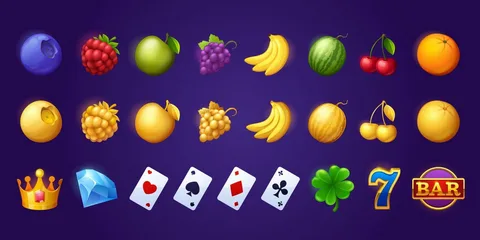
Few visual elements in gaming are as instantly recognizable as fruit symbols on slot gacor machines. Cherries, lemons, oranges, and watermelons have become iconic representations of classic gameplay, appearing across generations of machines from mechanical reels to modern digital screens. While they may seem like simple decorative choices, these symbols carry a rich and surprising history rooted in innovation, regulation, and cultural adaptation.
Understanding how fruit symbols became a staple of slot machine design reveals not only the origins of the industry but also how creativity and constraint shaped one of the most enduring visual languages in gaming.
The Birth of Slot Machines
The story begins in the late 19th century with the invention of early mechanical slot machines. One of the most notable pioneers was Charles Fey, who created the first widely recognized slot machine known as the Liberty Bell.
This early machine featured simple symbols such as bells, horseshoes, and playing cards. At the time, the concept of automated gaming was still new, and designs were focused primarily on functionality rather than visual storytelling.
However, as slot machines gained popularity, developers began to experiment with different themes and symbols to make their machines more appealing to players.
The Shift Toward Fruit Symbols
The introduction of fruit symbols was not initially a creative choice—it was a response to legal restrictions. In the early 20th century, gambling laws in many regions of the United States prohibited cash payouts from slot machines.
To work around these regulations, manufacturers designed machines that dispensed flavored chewing gum instead of money. Each flavor was represented by a corresponding fruit symbol:
Cherry for cherry-flavored gum Lemon for lemon-flavored gum Orange for citrus flavors Plum and watermelon for variety
This clever adaptation allowed machines to operate legally while maintaining the excitement of gameplay. Over time, the fruit imagery became closely associated with the concept of slot machines themselves.
The Influence of Early Manufacturers
One of the companies that played a key role in popularizing fruit symbols was Bell-Fruit Gum Company. Their machines prominently featured fruit icons and gum-related themes, reinforcing the connection between symbols and rewards.
These designs proved highly effective because they were:
Easy to recognize Visually appealing Universally understood across different audiences
As a result, fruit symbols quickly became standardized across the industry.
Symbolism and Simplicity
Another reason fruit symbols endured is their simplicity. Early slot machines relied on mechanical reels with limited space for design. Complex images were difficult to reproduce, so simple, bold shapes were preferred.
Fruits offered several advantages:
Bright colors that stood out on reels Distinct shapes that were easy to identify Familiarity across cultures
This simplicity ensured that players could quickly understand the game, even without instructions.
Transition to Electronic and Digital Slots
As technology advanced, slot machines transitioned from mechanical systems to electronic and eventually digital formats. This shift opened the door for more complex graphics, animations, and themes.
Despite these advancements, fruit symbols remained a core element of many games. They evolved visually, becoming more detailed and dynamic, but their fundamental role stayed the same.
In modern games, fruit symbols often:
Trigger bonus features Act as high-value or low-value icons Serve as nostalgic references to classic machines
This blend of tradition and innovation helps maintain continuity while appealing to new audiences.
The Rise of Themed Slots
With the introduction of video slots, developers began exploring a wide range of themes, from mythology and adventure to movies and pop culture. While these themes expanded the visual diversity of slot games, fruit symbols did not disappear.
Instead, they found a new role in “classic-style” slots, which are designed to replicate the feel of traditional machines. These games appeal to players who prefer straightforward gameplay and a sense of nostalgia.
The continued presence of fruit symbols highlights their enduring appeal, even in an era of high-definition graphics and complex storytelling.
Cultural Impact and Recognition
Over time, fruit symbols have become more than just game elements—they are cultural icons. Even people who have never played a slot machine can recognize cherries or lemons as part of gaming imagery.
This recognition is reinforced by:
Media representations of slot machines Use of fruit symbols in branding and advertising Their association with luck and reward
The symbols have transcended their original purpose, becoming part of a broader visual language.
Psychological Appeal of Fruit Symbols
The effectiveness of fruit symbols is not just historical—it is also psychological. Bright colors and familiar shapes create a positive and engaging experience.
For example:
Red cherries can evoke excitement and energy Yellow lemons create contrast and visibility Green watermelons add balance to the visual palette
These elements contribute to a design that is both attractive and easy to process, enhancing player engagement.
Modern Interpretations and Variations
In 2026, fruit symbols continue to evolve. Developers experiment with:
3D animations Stylized or futuristic designs Hybrid symbols combining fruit with other themes
Some games even reinterpret traditional fruits in creative ways, blending them with modern aesthetics while preserving their classic identity.
This evolution demonstrates how a simple concept can adapt to changing trends without losing its core appeal.
Why Fruit Symbols Endure
The longevity of fruit symbols can be attributed to several key factors:
Historical significance: They represent the origins of slot machine design Visual clarity: Simple shapes and bright colors ensure easy recognition Emotional connection: Nostalgia plays a strong role in player preference Adaptability: They can be modernized without losing identity
These qualities make fruit symbols uniquely suited to withstand the test of time.
Lessons from the Evolution of Design
The history of fruit symbols offers valuable insights into design and innovation. It shows how constraints—such as legal restrictions—can lead to creative solutions that define an entire industry.
It also highlights the importance of:
Simplicity in user experience Consistency in visual language Balancing tradition with innovation
These principles remain relevant in modern game development and beyond.
Conclusion
From their origins as representations of chewing gum flavors to their status as global gaming icons, fruit symbols have undergone a remarkable transformation. What began as a practical workaround to legal challenges has become one of the most recognizable elements in slot machine history.
In 2026, these symbols continue to thrive, bridging the gap between past and present. They serve as a reminder that even the simplest design choices can have a lasting impact when they resonate with players on both visual and emotional levels. Ultimately, the evolution of fruit symbols is not just a story about slot machines—it is a testament to the power of creativity, adaptability, and cultural connection in shaping the experiences we enjoy today.
