



Nepal has long been synonymous with adventure trekking — a destination where dusty boots, shared teahouses, and weeks of wilderness define the experience. But times are changing. Today’s traveler increasingly seeks journeys that marry world-class mountain scenery with curated comfort, personalized service, and thoughtfully designed itineraries. Two treks stand out in this evolving landscape: the Everest Base Camp luxury trek, which reimagines the most iconic Himalayan route through a premium lens, and the Langtang Valley trek, a hidden gem that offers raw natural beauty and deep cultural authenticity within striking distance of Kathmandu.
Whether you are drawn to the legendary slopes below the world’s highest peak or the serene ridgelines of the Langtang range, this guide provides an in-depth look at both experiences — helping you choose the trek that perfectly matches your ambitions, timeline, and travel style.
What Is the Everest Base Camp Luxury Trek?
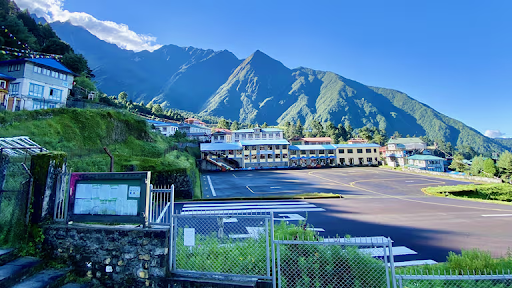
The Everest Base Camp luxury trek follows the same legendary trail through the Khumbu region — Lukla, Namche Bazaar, Tengboche, Dingboche, Lobuche, and ultimately to Base Camp at 5,364 meters — but it fundamentally transforms the quality of the experience at every stage. Rather than standard teahouses, trekkers stay in the finest lodges available in the Khumbu, including world-renowned properties such as the Yak & Yeti group lodges and the iconic Everest View Hotel near Namche, which at 3,880 meters holds the distinction of being one of the highest hotels on earth.
A premium itinerary typically spans 12 to 16 days, built around thoughtful acclimatization schedules, smaller group sizes, and private guiding arrangements. The difference is felt from the very first morning — in the quality of meals prepared by dedicated cooks, the hot showers after a long day at altitude, the heated dining rooms overlooking glacier-carved valleys, and the attentive support of experienced mountain guides who anticipate every need.
What Elevates the Experience Above Standard Trekking
The defining elements of a true Everest Base Camp luxury trek go far beyond upgraded bedding. They include a seamlessly coordinated travel experience from the moment you land in Kathmandu — private airport transfers, five-star hotel stays in the capital, cultural tours with expert historians, and carefully curated pre-trek wellness sessions. On the trail, helicopter transfers can be incorporated to skip less scenic sections or to exit gracefully if weather or acclimatization requires it. Post-trek, private helicopter flights directly from Base Camp or Kala Patthar back to Kathmandu deliver an unparalleled aerial perspective of the Himalayan giants.
Signature features of the Everest Base Camp luxury trek include:
- Premium lodge accommodation with en-suite facilities and mountain-view rooms wherever available
- Private certified guides with deep cultural and geographical expertise of the Khumbu region
- Dedicated porter teams ensuring trekkers carry only a light daypack throughout the journey
- Gourmet trail meals — a significant upgrade from standard dal bhat, featuring fresh, diverse menus
- Helicopter rescue and evacuation insurance integrated into the itinerary
- Optional helicopter return from the Everest region for a breathtaking Himalayan flyover
Best Time for the Everest Base Camp Luxury Trek
The prime seasons mirror those of standard EBC trekking — spring (March to May) and autumn (September to November). For luxury travelers, October is widely regarded as the pinnacle month: skies are at their clearest after the monsoon, temperatures are manageable, and the mountain light has a golden quality that makes every viewpoint photogenic. Spring offers the added spectacle of blooming rhododendrons painting the lower valleys in vivid pink and red.
Langtang Valley Trek: Nepal’s Hidden Himalayan Treasure
While the Everest and Annapurna regions dominate international trekking conversations, the Langtang Valley trek quietly offers one of the most complete Himalayan experiences in all of Nepal. Located just 50 kilometers north of Kathmandu, the Langtang region is the closest major trekking destination to the capital — accessible by road in five to six hours — yet it feels like an entirely different world once you step onto the trail.
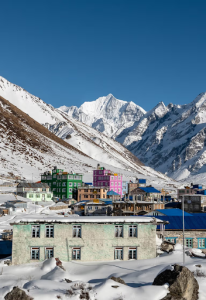
The valley itself cuts deep into the Himalayan range, flanked by peaks such as Langtang Lirung (7,227 m), Ganesh Himal, and the sacred Dorje Lakpa. The trail passes through ancient Tamang villages, dense bamboo and oak forests, high yak pastures, and eventually the otherworldly Kyanjin Gompa at 3,870 meters — a small, spiritually charged settlement at the base of towering glaciers.
Why the Langtang Valley Trek Deserves a Place on Every Bucket List
The Langtang Valley trek is not simply a shorter or easier alternative to Everest or Annapurna — it is a destination with its own distinct identity and irreplaceable character. The trail is home to the Tamang people, an ethnically Tibetan community whose traditions, architecture, and spiritual practices create a cultural atmosphere unlike anywhere else in the Himalayas. Ancient mani walls, chortens, and Buddhist monasteries appear regularly along the path, each one steeped in centuries of history.
The region also holds deep ecological significance as part of the Langtang National Park, Nepal’s first Himalayan national park. Wildlife including red pandas, Himalayan black bears, snow leopards, and over 250 bird species inhabit these forests and ridges. For trekkers who value natural diversity alongside mountain grandeur, Langtang is simply extraordinary.
Trek Highlights, Duration, and Route
A standard Langtang Valley trek takes 7 to 10 days, making it an ideal choice for travelers with limited time who still want a genuine high-altitude Himalayan experience. The trail begins in Syabrubesi (1,503 m), ascends steadily through Lama Hotel and Langtang village, and reaches its climax at Kyanjin Gompa and the optional summit of Tserko Ri (4,984 m) — a challenging but deeply rewarding high point that delivers sweeping 360-degree views across the Langtang range and into Tibet.
Unmissable highlights along the Langtang Valley trek:
- Kyanjin Gompa — a remote monastery at 3,870 m surrounded by permanent glaciers and dramatic peaks
- Tserko Ri (4,984 m) — the best viewpoint on the trek, offering panoramas of Langtang Lirung and the Tibetan plateau
- Langtang village — rebuilt after the devastating 2015 earthquake, now a symbol of remarkable community resilience
- Local yak cheese — the Kyanjin cheese factory produces some of the finest Himalayan cheese in Nepal
- Tamang Heritage Trail extension — an optional add-on exploring ancient Tamang villages and sacred sites
Best Time for the Langtang Valley Trek
Like most Nepal treks, the Langtang Valley trek is best undertaken in spring (March to May) or autumn (September to November). Spring is particularly magical here, as the lower forests burst into bloom and wildlife activity peaks. The valley’s proximity to Kathmandu also makes it more accessible during shoulder seasons, and some experienced trekkers enjoy the solitude of a winter visit, when snowfall transforms the landscape into a pristine white wilderness.
Choosing Between the Everest Base Camp Luxury Trek and Langtang Valley Trek
Both treks offer profoundly rewarding experiences, but they cater to different travel profiles. The Everest Base Camp luxury trek is the definitive choice for those who want maximum prestige, the highest altitude, and a seamlessly curated premium experience around the world’s most famous mountain. It demands a larger investment of both time and budget, but delivers an experience that is genuinely once-in-a-lifetime.
The Langtang Valley trek, by contrast, appeals to travelers who value authenticity, cultural depth, ecological richness, and a more intimate mountain experience without the crowds of the Khumbu. At a fraction of the cost and with a shorter timeline, it punches far above its weight in terms of scenic drama and personal reward. For first-time Nepal trekkers, those returning to explore beyond Everest, or anyone on a tighter schedule, Langtang is an inspired choice.
Conclusion
Nepal’s mountains do not follow trends — they simply endure, magnificent and timeless. What has changed is how thoughtfully travelers can now approach them. The Everest Base Camp luxury trek has elevated the Khumbu experience into something approaching perfection for those who want great mountains without compromise on comfort. The Langtang Valley trek, meanwhile, remains one of Nepal’s best-kept secrets — a deeply human, wildly beautiful journey that rewards every trekker who discovers it.
Whichever path you choose, Nepal will leave its mark on you long after you have returned home. The mountains have a way of doing that.
Key Takeaways
- The Everest Base Camp luxury trek transforms the classic EBC journey with premium lodges, private guiding, gourmet meals, and optional helicopter transfers for the ultimate Himalayan experience.
- Luxury EBC treks typically span 12–16 days, with October and April considered the finest months for weather, visibility, and trail conditions.
- The Langtang Valley trek is Nepal’s closest major Himalayan trek to Kathmandu, offering glacier views, Tamang cultural immersion, and exceptional biodiversity in 7–10 days.
- Tserko Ri (4,984 m) is the standout viewpoint of the Langtang trek, delivering jaw-dropping 360-degree panoramas of the Langtang range and Tibet.
- Choose EBC luxury for prestige, altitude, and curated comfort; choose Langtang for authenticity, shorter duration, and remarkable value.
- Both treks require a Langtang or Sagarmatha National Park entry permit respectively, and travel insurance covering high-altitude trekking is essential for either route.
CONTACT US;
COMPANY NAME; ESCAPE HIMALAYA PVT LIMITED
EMAIL; [email protected]
ADDRESS; Khusibu, Kathmandu, Nepal
WHATSAPP NO; +977-9851006121
