



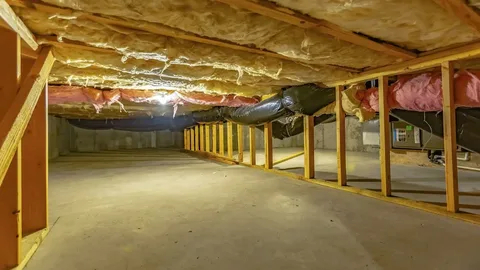
Hidden moisture problems often begin long before visible damage shows up inside a home. A damp crawl space or weakened foundation usually develops from small, overlooked water sources working quietly over time. Understanding where that moisture comes from helps explain why many homeowners eventually search for crawl space repair near me or foundation repair near me.
Rainwater Draining Toward the Foundation Instead of Away
Rainwater should naturally flow away from a structure, but that does not always happen. Soil that slopes toward the house directs runoff straight to the foundation walls. Over time, repeated exposure allows water to soak into the soil, increasing pressure against concrete and masonry surfaces. As moisture lingers near the foundation, it finds paths of least resistance. Small gaps, seams, and porous materials absorb water slowly, leading to damp crawl spaces and shifting foundation elements. This type of drainage issue is one of the most common reasons homeowners seek crawl space repair in Huntsville AL.
Ground Moisture Rising Through Exposed Soil Under the Home
Bare soil beneath a home constantly releases moisture into the air. This vapor rises naturally and becomes trapped in enclosed crawl spaces, especially those without proper barriers. Even in dry weather, the ground continues releasing moisture that affects wood framing and insulation.
Over time, persistent ground moisture creates a humid environment that encourages wood decay and metal corrosion. Many crawl space repair contractors identify exposed soil as a major contributor to structural moisture problems, particularly in older homes.
Plumbing Leaks Slowly Dripping Beneath the Flooring
Plumbing leaks under a home often go unnoticed for months. Slow drips from supply lines or drain pipes release steady moisture into crawl spaces without obvious warning signs. Because the water spreads gradually, damage may occur far from the source. That constant dampness weakens floor supports and invites mold growth. Homeowners dealing with hidden plumbing leaks frequently turn to foundation repair contractors after noticing sagging floors or musty odors coming from below.
High Outdoor Humidity Entering Through Crawl Space Vents
Outdoor air carries moisture, especially during warmer months. Open crawl space vents allow humid air to enter freely, where it cools and releases moisture onto surfaces. This process raises humidity levels inside the crawl space even when no water leaks are present. As moisture settles on wood and insulation, materials begin to deteriorate. Many property owners searching for crawl space waterproofing near me discover that vent-related humidity is the root cause of long-term moisture buildup.
Poor Yard Grading Trapping Water near Foundation Walls
Improper grading prevents water from draining efficiently. Flat or uneven yard surfaces allow rain to pool near foundation walls instead of directing it away. Standing water slowly seeps downward, saturating the soil that supports the structure.
This prolonged exposure can weaken foundation materials and increase the risk of cracking. A foundation specialist near me often identifies grading issues as a primary factor behind recurring water intrusion problems.
Clogged Gutters Spilling Water at the Base of the House
Gutters play a direct role in moisture control. When leaves and debris block them, water spills over the edges and falls directly at the base of the home. That concentrated runoff overwhelms the surrounding soil. Repeated overflow accelerates erosion and increases moisture around foundation walls. Many homeowners needing foundation crack repair near me later discover that simple gutter maintenance could have reduced the initial damage.
Condensation Forming on Cold Pipes and Ductwork
Temperature differences inside crawl spaces often lead to condensation. Cold water pipes and HVAC ductwork attract moisture from warm air, causing droplets to form and drip onto surrounding materials. This process continues daily during humid seasons.
Over time, condensation contributes to wood rot and rusted components. Crawl space repair contractors frequently address condensation-related issues during moisture control and encapsulation projects.
Cracks Allowing Surface Water to Seep into Foundation Areas
Foundation cracks do not need to be large to cause problems. Hairline fractures allow surface water to enter slowly during rain events. As water moves through these openings, it spreads along interior surfaces. This gradual intrusion weakens structural integrity and increases indoor humidity. Homeowners experiencing repeated seepage often look for foundation crack repair near me to stop moisture at its entry point.
Improper Drainage Systems Backing Water into Lower Spaces
Drainage systems are designed to redirect water, but poor installation or aging components can cause backups. When drains fail, water collects near or beneath the foundation instead of flowing away. This backup creates consistent moisture exposure.
Over time, water pressure builds around structural elements, leading to settlement and material breakdown. Many foundation repair contractors encounter these issues during inspections of homes with recurring crawl space moisture. Addressing moisture problems early helps protect both crawl spaces and foundations from long-term damage. Kennedy and Sons has built a strong reputation for addressing moisture sources that affect crawl spaces and foundations by focusing on the cause, not just the symptoms.
