



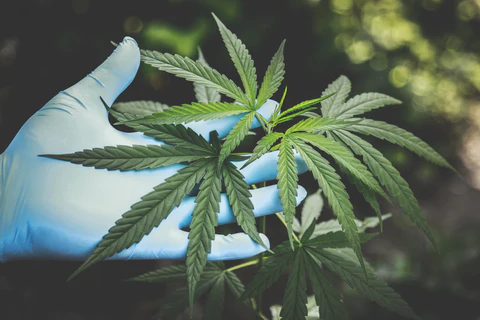
Cannabis is one of the most widely recognized plants in the world, known for its long history of medicinal, cultural, and industrial use. In recent years, it has also become a major subject of scientific research and public debate due to its complex effects on the human body and mind. Understanding cannabis requires looking at it from multiple angles—its biology, chemical makeup, how it interacts with the human body, and its broader social context.
The Biology of the Cannabis Plant
Cannabis is a flowering plant from the Cannabaceae family. It is typically classified into three main species or types: Cannabis sativa, Cannabis indica, and Cannabis ruderalis, although modern science often treats them as variations of the same species.
The plant thrives in a variety of climates but grows best in warm, temperate environments. It has distinctive features such as serrated leaves and a tall, fibrous structure. The most important parts of the plant are its flowers (buds), where the highest concentration of active chemical compounds is found.
Cannabis plants can be male, female, or hermaphroditic. Female plants are especially valued because they produce resin-rich flowers that contain cannabinoids, the compounds responsible for the plant’s effects.
Cannabinoids: The Active Chemical Compounds
Cannabis contains over 100 chemical compounds known as cannabinoids. The two most studied are:
- THC (Tetrahydrocannabinol): The primary psychoactive compound responsible for the “high.”
- CBD (Cannabidiol): A non-psychoactive compound widely studied for its potential therapeutic properties.
These cannabinoids interact with the body’s endocannabinoid system, a complex network of receptors that helps regulate mood, pain, appetite, memory, and immune response.
How Cannabis Affects the Human Body
When cannabis is consumed—whether by smoking, vaporizing, or ingestion—THC enters the bloodstream and binds to cannabinoid receptors in the brain and nervous system.
Short-term effects may include:
- Altered perception of time
- Relaxation or euphoria
- Increased appetite
- Impaired memory and coordination
Possible negative effects:
- Anxiety or paranoia (especially with high THC levels)
- Dry mouth and red eyes
- Reduced concentration and reaction time
CBD, on the other hand, does not produce intoxication and is often associated with calming or anti-inflammatory effects.
Medical and Therapeutic Uses
Cannabis has been studied for potential medical applications in areas such as:
- Chronic pain management
- Nausea relief (especially in chemotherapy patients)
- Muscle spasticity in neurological conditions
- Certain forms of epilepsy (particularly CBD-based treatments)
However, its effectiveness and safety depend heavily on dosage, strain, and individual response. Medical use is typically regulated and requires professional guidance in countries where it is legal.
Social and Legal Perspectives
Cannabis laws vary significantly across the world. Some countries and regions have legalized it for medical and recreational use, while others strictly prohibit it.
This legal variation has also led to the rise of regulated digital marketplaces in some jurisdictions. In places where cannabis is legal, consumers may encounter platforms sometimes referred to as an online pot shop, which function similarly to licensed e-commerce stores. These platforms typically operate under strict regulations, ensuring product testing, labeling, and age verification.
However, in many regions, such services are illegal or unregulated, and consumers should always be aware of local laws before engaging with any cannabis-related products or services.
Risks and Considerations
While cannabis has potential benefits, it is not without risks. Long-term or heavy use may be associated with:
- Dependency in some individuals
- Cognitive effects, especially in adolescents
- Respiratory issues if smoked
- Mental health concerns in vulnerable populations
Responsible use, education, and awareness are key to minimizing harm.
Conclusion
Cannabis is a complex plant with a unique biological structure and a wide range of effects on the human body. Its growing acceptance in medicine and society has made it an important subject of scientific and cultural interest. However, its use requires careful consideration of both benefits and risks, as well as an understanding of the legal landscape.
As research continues to evolve, cannabis remains one of the most fascinating and debated plants in modern science.
