



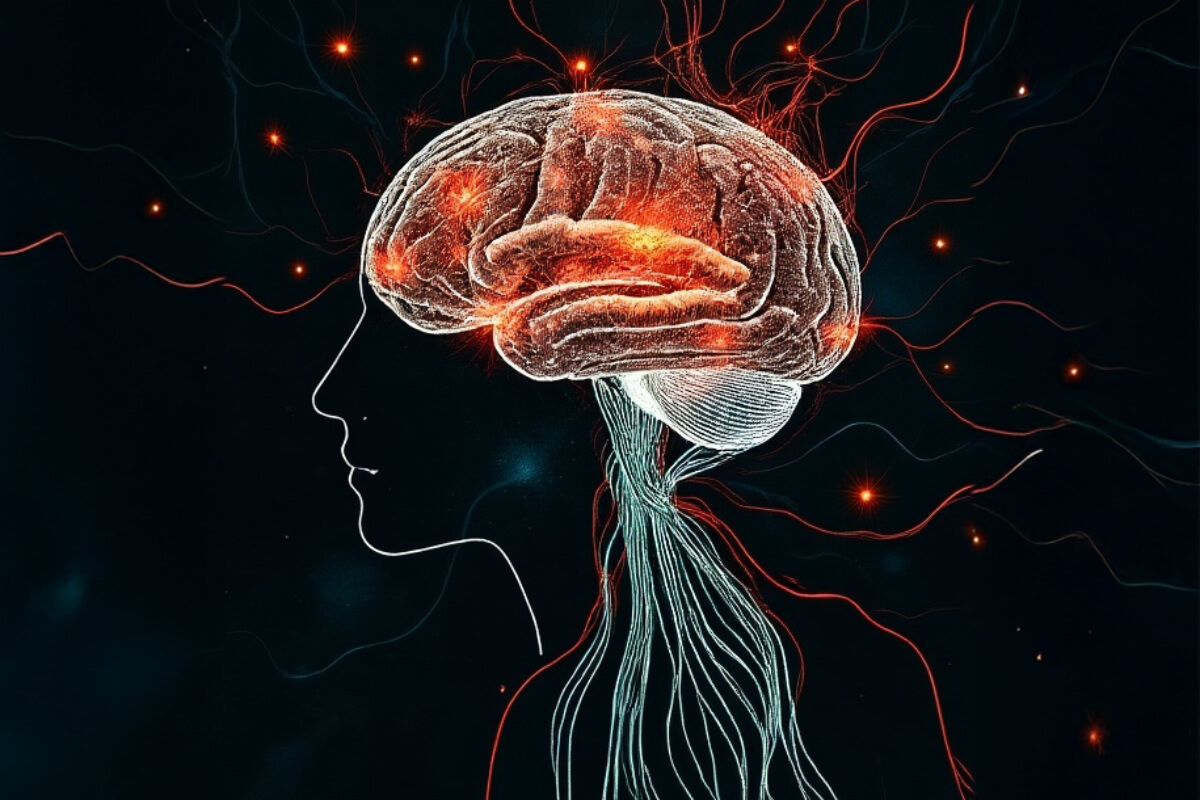
When a sudden medical emergency unfolds, the human brain is instantly flooded with a cocktail of stress hormones. The amygdala—the brain’s threat-detection center—hijacks our cognitive processing, triggering an involuntary “fight, flight, or freeze” response. For the untrained observer, this physiological reaction almost always results in the latter: freezing in place while precious seconds slip away. However, for professionals working in healthcare, childcare, and high-intensity wellness environments, freezing is not an option. Overcoming this primal psychological response requires more than just good intentions; it requires a systematic rewiring of how the brain processes a crisis. Securing a comprehensive basic life support certification is the precise mechanism that bridges the gap between paralyzing panic and coordinated, life-saving action, providing a structured cognitive framework that completely overrides the body’s natural instinct to shut down.
To understand why this level of training is so critical, we must examine the phenomenon known as the “bystander effect.” In chaotic environments, individuals often defer responsibility to others, assuming someone else is more qualified to intervene. This psychological diffusion of responsibility is deadly during a sudden cardiac arrest, where brain death begins to occur within four to six minutes. Advanced life support curriculums are explicitly designed to dismantle this hesitation. By clearly defining the parameters of high-performance resuscitation, these programs teach professionals how to immediately assume a leadership role, delegate tasks, and initiate the chain of survival without a second of second-guessing.
The mental demands placed on a responder during a code are immense, characterized by a massive spike in cognitive load. It is not merely a matter of performing chest compressions; it is a complex choreography of multi-rescuer dynamics. A professional must simultaneously monitor the depth and rate of compressions, manage an obstructed airway, prepare a bag-valve-mask (BVM) for ventilation, and anticipate the automated prompts of an external defibrillator. When the brain is overwhelmed by these simultaneous tasks under extreme stress, errors occur. Advanced training mitigates this by utilizing highly structured algorithms. These step-by-step algorithms act as cognitive anchors, giving the panicked mind a familiar, rigid sequence to follow when rational thought begins to cloud.
This is where the concept of “muscle memory” truly comes into play. Modern educational platforms—particularly those utilizing blended or self-paced digital modules—rely heavily on repetition and scenario-based visual learning. When a healthcare worker or fitness instructor repeatedly engages with interactive simulations, they are actively forging new neural pathways. By the time a real-world emergency occurs, the initial shock is bypassed by these deeply ingrained pathways. The responder does not have to consciously remember the ratio of compressions to breaths for a pediatric patient; their hands and mind simply execute the protocol automatically, driven by the rigorous repetition of their certification process.
This psychological conditioning is absolutely vital for those operating outside of a traditional hospital setting. A fitness trainer witnessing a client collapse from a myocardial infarction, or a childcare educator faced with a non-responsive infant, does not have the immediate backup of a fully staffed emergency room. They are the sole lifeline for those critical first few minutes. Standard community first aid often lacks the depth required to handle the psychological weight of these specific, high-stakes scenarios. Advanced curriculums specifically address the nuances of pulse checks, advanced airway clearance, and team-based communication, ensuring that allied health and wellness professionals possess the same clinical composure as a seasoned paramedic.
Furthermore, one of the greatest psychological barriers to bystander intervention is the profound fear of doing harm. Many individuals hesitate to perform compressions because they are terrified of breaking ribs or exacerbating a spinal injury. This fear is a direct result of a lack of knowledge. A rigorous curriculum eradicates this doubt by clearly establishing the evidence-based parameters of intervention. Learners are taught the clinical reality that a patient in cardiac arrest cannot be made “worse” by high-quality CPR; they can only be given a chance at survival. Removing this fear of liability and physical harm is arguably the most liberating psychological benefit of the educational process, transforming a hesitant witness into an empowered rescuer.
Ultimately, the true value of advanced emergency training cannot be measured solely by the physical techniques acquired, but by the profound mental resilience it cultivates. It is about replacing chaos with order, and fear with unshakeable competence. As the standards for occupational safety and clinical care continue to rise, the responsibility to maintain this level of cognitive readiness falls squarely on the shoulders of the modern professional. Achieving this requires partnering with an educational platform that understands the intersection of medical science and adult learning psychology. By providing an accessible, rigorously updated, and expertly structured curriculum, Simple CPR equips today’s frontline professionals with the mental fortitude and physical skills required to step forward and save a life when the unthinkable happens.
