



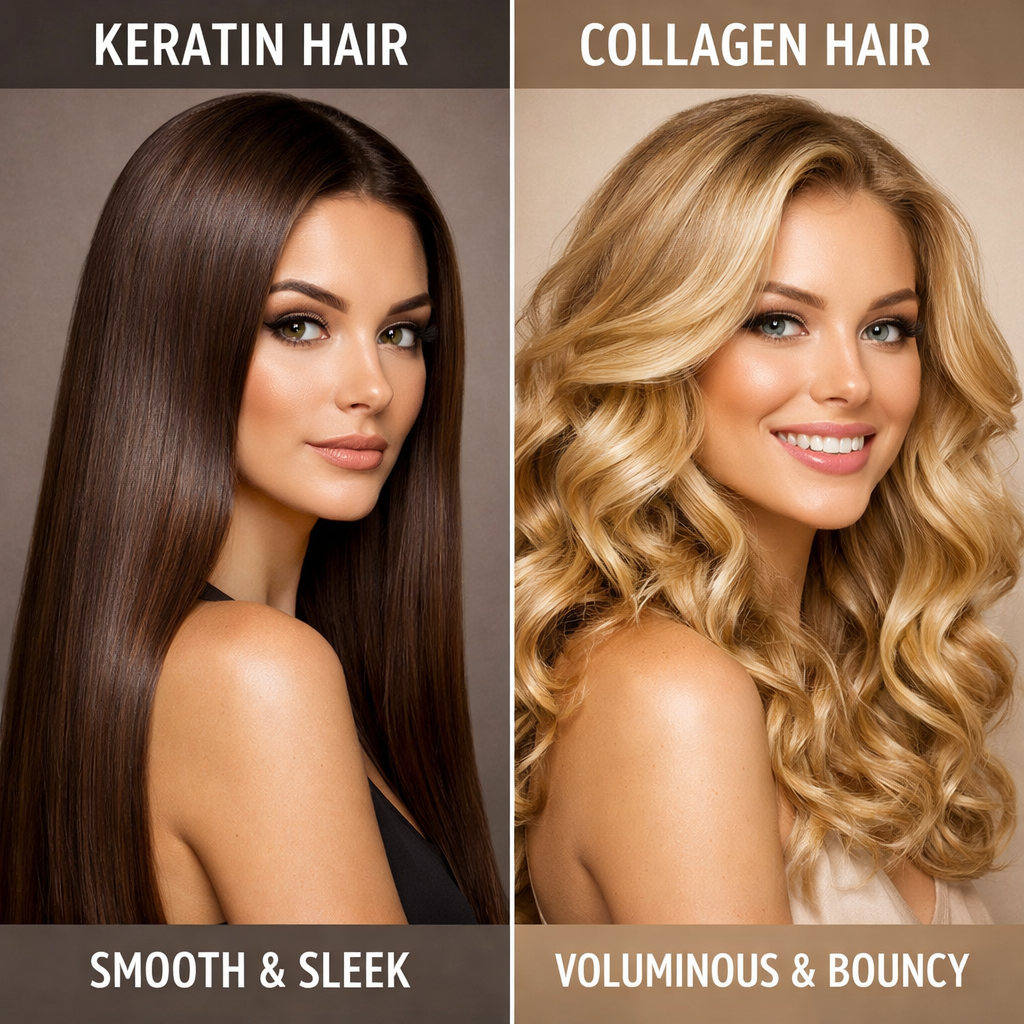
Hair, skin, nails, and joints all depend on the body’s ability to maintain strong structural proteins. Two of the most talked-about proteins in beauty and wellness are keratin vs collagen, but they are not the same. Keratin is mostly connected with hair and nails, while collagen is more closely connected with skin structure, joints, bones, tendons, ligaments, and connective tissue.
For health-conscious women, wellness-focused professionals, and older adults, understanding the difference can make it easier to choose the right daily support. Both proteins matter, but the best focus depends on personal goals.
Someone concerned about brittle nails or hair breakage may want to learn more about keratin-related support. Someone focused on skin firmness, joint comfort, or healthy aging may be more interested in collagen. In many cases, a balanced routine can support both.
Why People Compare Keratin and Collagen
Keratin and collagen are often compared because both affect how people look and feel. They are structural proteins, which means they help form and support different parts of the body.
The confusion comes from the fact that both are linked to beauty. Keratin is often mentioned in haircare products, nail support routines, and salon treatments. Collagen is often mentioned in skincare, joint support, and healthy aging supplements.
However, they serve different roles. Keratin is tougher and more protective. Collagen is more supportive and flexible. One is not simply better than the other. They work in different places and support different needs.
Understanding this difference helps people avoid choosing supplements or routines based only on trends.
What Keratin Does in the Body
Keratin is a protein found in hair, nails, and the outer layer of the skin. It helps give hair its structure and supports the firmness of nails. This is why keratin is often linked to hair strength, texture, and nail quality.
People may become interested in keratin when they notice hair dryness, breakage, weak nails, or changes in hair appearance. Many shampoos, conditioners, and salon treatments mention keratin because of its connection to the hair shaft.
Still, keratin support is not only about external products. The body needs enough protein, amino acids, and key nutrients to maintain normal hair and nail health. A poor diet, stress, harsh styling, heat tools, and lack of sleep can all affect how hair and nails look over time.
For someone focused mainly on hair and nails, keratin is an important protein to understand.
What Collagen Does in the Body
Collagen is one of the most abundant proteins in the body. It helps support the structure of skin, bones, cartilage, tendons, ligaments, and connective tissue.
Collagen is often associated with healthy aging because natural collagen production tends to slow as people get older. This is one reason adults often become more aware of changes in skin firmness, joint comfort, and overall mobility.
Women may choose collagen support as part of a beauty-from-within routine. Older adults may look at collagen as part of a plan that supports movement and daily comfort. Busy professionals may prefer collagen because it fits easily into a simple morning or evening routine.
Collagen supplements are available in powders, tablets, capsules, and other formats. The best option depends on lifestyle. Powder may work well for people who enjoy coffee or smoothies, while pills may suit those who want something quick and portable.
Which One Should You Focus On?
The right choice depends on the goal.
If the main concern is hair and nails, keratin-related support may be more relevant. That may include better protein intake, gentler haircare habits, fewer harsh treatments, and nutrients that support normal hair and nail health.
If the main concern is skin structure, joint support, connective tissue, and healthy aging, collagen may be the better focus. Collagen is more directly connected to these areas.
For many people, the goal is broader. They want healthier-looking hair, stronger-feeling nails, smoother-looking skin, and better daily wellness. In that case, the better approach is to build a routine that supports the whole body rather than focusing on one protein alone.
A good wellness routine can include balanced meals, adequate protein, hydration, sleep, movement, and a supplement format that is easy to take consistently.
Daily Habits That Support Both Proteins
The body needs the right building blocks to maintain keratin and collagen. Protein-rich foods such as eggs, fish, poultry, lean meat, dairy, beans, and legumes can help provide amino acids.
Vitamin C is also important because it supports normal collagen formation. Foods such as citrus fruits, berries, bell peppers, and leafy greens can be useful additions to daily meals.
Hydration matters for overall wellness and skin appearance. Sleep gives the body time to recover. Regular movement supports circulation, strength, and joint health.
It is also helpful to reduce habits that can work against beauty and wellness goals. Too much sun exposure, frequent heat styling, harsh nail treatments, poor sleep, and inconsistent nutrition may all affect how hair, skin, and nails look over time.
Supplements can be useful, but they work best when paired with steady daily habits.
Choosing a Routine That Feels Realistic
A routine only works when it fits real life. Busy adults may not want complicated supplement plans or long morning routines. That is why format matters.
Powders can be convenient for people who already make smoothies, coffee, or shakes. Pills and tablets may be easier for people who travel, work long hours, or prefer taking supplements with water.
The product should also be easy to understand. Clear labeling, simple directions, and quality-focused sourcing can make supplement decisions easier.
It is also wise to be patient. Hair, skin, nails, and joint-related goals usually require consistency. A daily routine built on realistic habits is more useful than a complicated plan that is hard to follow.
Final Thoughts
Keratin and collagen are both important, but they support different areas of the body. Keratin is mainly connected with hair, nails, and the outer layer of skin. Collagen is mainly connected with skin structure, joints, bones, tendons, ligaments, and connective tissue. The better choice depends on whether your main goal is hair and nail support, skin and joint support, or a broader wellness routine.
For health-conscious adults looking for premium wellness supplements that fit daily life, BioOptimal Supplements offers options designed for beauty, healthy aging, and everyday nutrition support. Visit the website to find a supplement that fits your wellness goals.
