



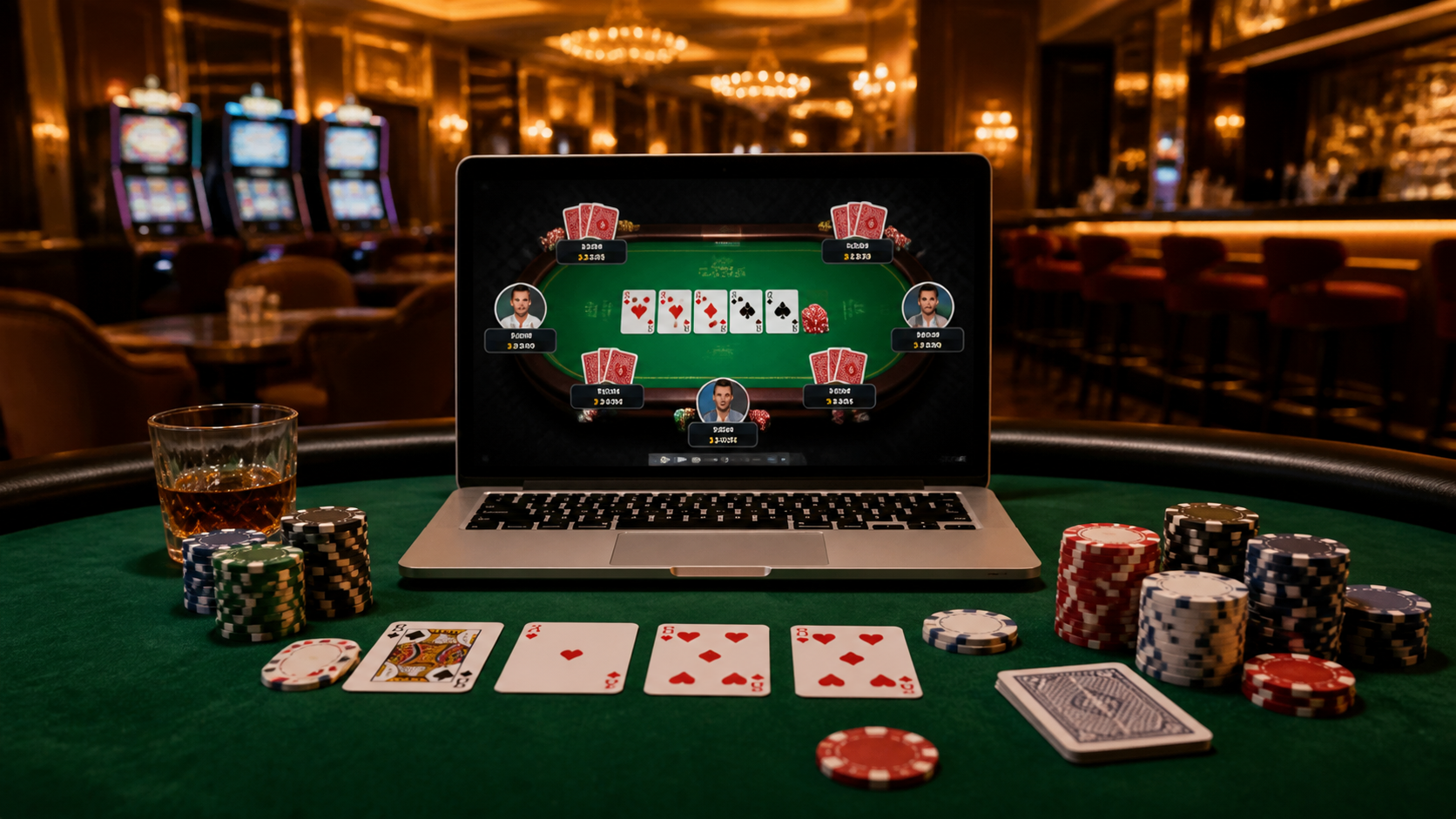
An online poker table can feel familiar and new at the same time. The core ideas are the same as in any card room: you read patterns, make decisions with incomplete information, and try to stay calm when the pressure rises. What changes is the pace, the interface, and the way players manage their focus without a physical table in front of them.
For many people, the appeal of a poker game online is convenience. You can join a table from home, play a few hands during a break, or spend time learning the rhythm of different formats. That flexibility is useful, but it also means players need a clearer approach to selection, discipline, and table awareness. Without those habits, the experience can become noisy and inconsistent.
That is why it helps to treat online poker as a skill-based environment with its own habits. The games move differently, the pace is often faster, and the information you can use is limited to what appears on the screen. A thoughtful player adapts to that setting rather than trying to force old routines into a digital format.
Understanding How Online Poker Feels Different
Online poker keeps the familiar structure of betting rounds, community cards, and positional play, but the setting changes how decisions are made. You do not see body language or table chatter in the same way, so your attention shifts toward betting patterns, timing, and stack sizes. Those cues can be subtle, but they still matter.
The pace is another major difference. Hands arrive quickly, and some formats move at a brisk speed. That can be helpful for players who like action, but it can also lead to rushed decisions. A calm approach is usually better than trying to keep up with every table swing. You want to think clearly about each hand rather than reacting to the last one.
There is also a comfort factor. Playing from home can reduce distractions from a live venue, yet it can introduce new ones, such as notifications, background noise, or the temptation to multitask. Good online players protect their attention. They set up the space, limit interruptions, and treat each session as focused time rather than background entertainment.
Choosing Games and Tables That Fit Your Style
Not every table suits every player. Some games attract cautious players who wait for premium spots, while others are looser and more aggressive. Choosing a table that matches your skill level and comfort can make a significant difference in how well you perform and how enjoyable the session feels.
When deciding where to play, think about the structure of the game, the pace, and how much decision-making you want in a session. Fast games may appeal to players who enjoy action and frequent hands. Slower tables may suit those who prefer more time to observe patterns and plan ahead. If you are still learning, a table with a manageable pace can help you avoid hasty mistakes.
What to look for before joining
- Clear table structure and blind levels
- A pace that matches your attention span
- Buy-in levels that feel comfortable for your budget
- A format you already understand or want to study
- Rules and game details that are easy to review before play
A well-chosen table does not guarantee success, but it can support better decisions. Players often underestimate how much the environment affects their results. When the format is too fast or the stakes feel uncomfortable, decision quality tends to decline. A more suitable table gives you room to play your strategy instead of fighting the setup.
Building Better Habits at the Table
Strong poker habits matter more online because the screen offers fewer human cues to lean on. The best habits are simple, repeatable, and honest. They help you stay organized when the action speeds up and keep you from drifting into automatic play.
Focus on position and timing
Position remains one of the most useful concepts in poker. Acting later in a hand gives you more information, which can help you make more measured decisions. Timing matters too. If a player suddenly changes pace or size of bet, that may suggest a different hand strength or a different plan. None of these clues should be treated as certainty, but they can guide your thinking.
Avoid the habit of chasing every pot
Online poker can create the feeling that another hand is always just seconds away. That makes it easy to defend too many weak spots or keep playing hands that do not have much value. A disciplined player knows when to fold and wait for better opportunities. Patience is not passive; it is a deliberate part of the game.
Bankroll control also belongs in this category. Even recreational players benefit from deciding in advance how much they are comfortable using for a session. That approach reduces emotional decisions and helps the game stay enjoyable. When the money in play feels manageable, it is easier to think clearly and avoid frustration-driven mistakes.
Using Strategy Without Overcomplicating the Game
Many players make online poker harder than it needs to be. They chase advanced ideas before mastering the basics, then wonder why their results feel uneven. A cleaner approach is to build around a few dependable principles: play strong starting hands sensibly, understand position, notice betting patterns, and avoid giving away chips without a clear reason.
If you want to improve your results, start with consistency. You do not need a dramatic strategy every hand. In fact, simple decisions are often better when they are made well. Choose hands carefully, compare your position to the rest of the table, and pay attention to how opponents react in different spots. Over time, those habits create a stronger foundation than flashy moves.
This is also where a good resource can help. Reading a practical guide on poker game online can make it easier to understand the flow of digital play, especially if you want a broader overview before sitting down at a table. The point is not to copy a script, but to build a clearer picture of how online sessions usually unfold.
It is worth remembering that strategy should match the format. A method that works well in one game type may feel clumsy in another. If the table is fast, you may need quicker decisions and tighter control. If the table is slower, patience and observation may matter more. Good players adapt rather than forcing one style everywhere.
Staying in Control During Longer Sessions
Long sessions can test focus more than skill. Fatigue changes judgment, and online play can make that effect harder to notice. Because there is no physical table to leave behind, it is easy to keep clicking through hands long after concentration starts to slip. That is when mistakes often begin.
Simple routines can help. Take short breaks when needed. Close unrelated tabs and notifications. Pay attention to whether you are making deliberate choices or just following momentum. If you feel tilted, impatient, or distracted, stepping away may be the better decision than trying to force a comeback. In poker, stopping at the right time can be as valuable as playing well at the right time.
- Set a clear start and stop point for each session
- Decide in advance how much attention you can give
- Pause when emotion starts influencing decisions
- Review hands after the session instead of only during play
- Keep the experience enjoyable rather than exhausting
Self-control does not make the game less interesting. If anything, it makes the experience more sustainable. When you know how to pause, reset, and return with a clear head, you are more likely to learn from the session and less likely to turn one rough stretch into a bigger problem.
Conclusion: Playing With Skill, Patience, and Perspective
A good online poker experience comes from more than luck or quick reactions. It depends on choosing suitable tables, staying patient, and understanding how the digital setting changes the rhythm of the game. When you pay attention to position, timing, and table selection, you give yourself a better chance to make thoughtful decisions.
Just as important, you should treat each session with perspective. A poker game online can be entertaining, challenging, and mentally engaging, but it works best when you stay disciplined and avoid drifting into automatic play. With a clear plan and realistic expectations, the game becomes easier to enjoy and easier to learn from over time.
