



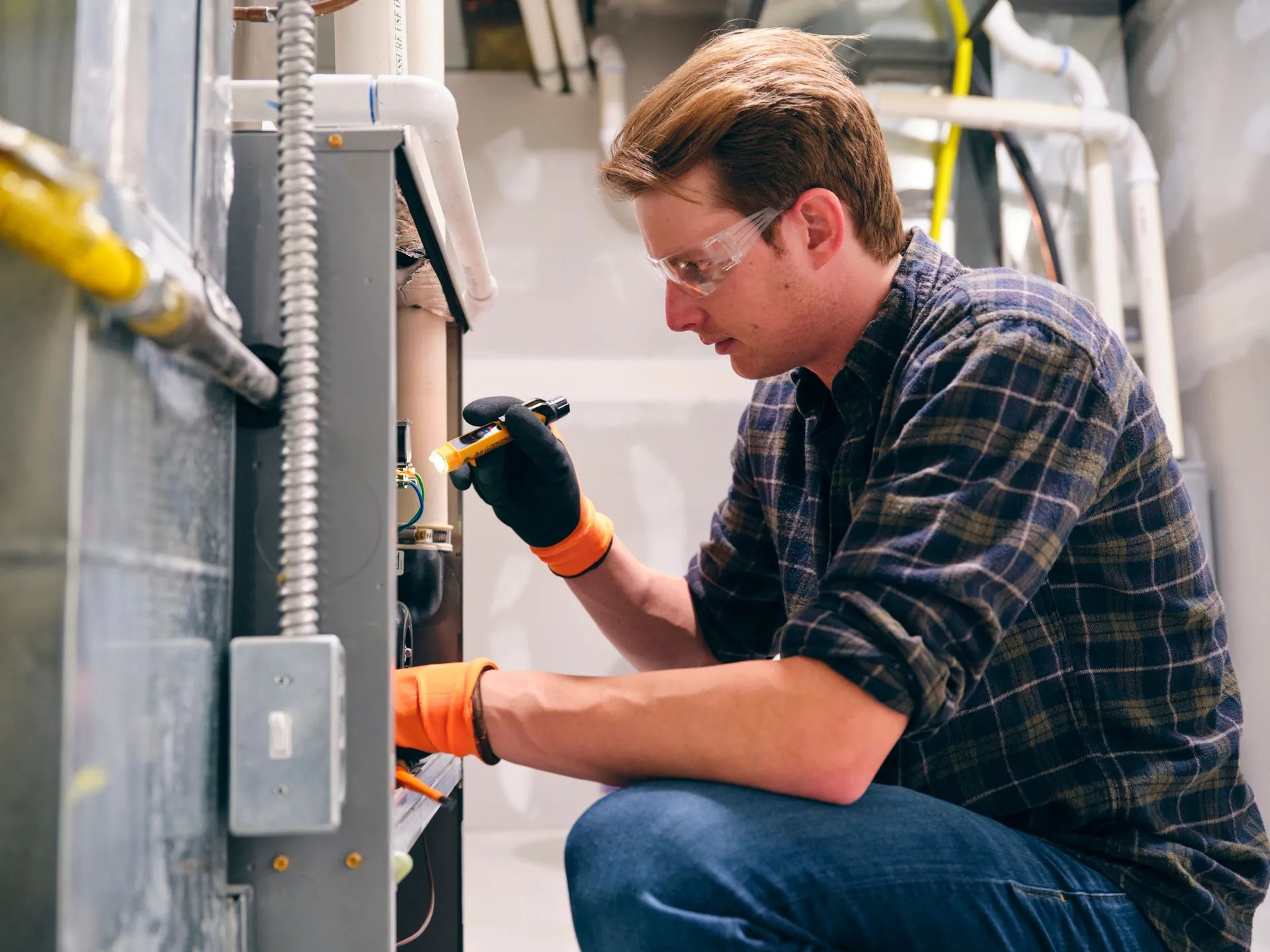
A furnace should produce familiar sounds while operating, such as a soft hum, airflow, or a brief clicking sound during startup. When those sounds suddenly become loud, unusual, or persistent, however, they may indicate that something inside the heating system needs attention. Identifying the type of noise can help homeowners understand whether the problem is a minor airflow issue or something that requires professional service.
For homeowners dealing with unusual furnace sounds, understanding the possible causes can make it easier to decide what to do next. Problems involving the blower, burners, ignition system, ductwork, or electrical components can all produce different sounds.
What Furnace Sounds Are Considered Normal?
Not every furnace noise means there is a problem. During normal operation, you may hear a gentle hum from the blower motor, a short click when the system begins a heating cycle, or a brief whooshing sound when the burners ignite.
You may also hear occasional popping or pinging from ductwork as sheet metal expands and contracts when the temperature changes. These sounds are generally different from persistent banging, grinding, screeching, or loud rattling coming directly from the furnace cabinet.
Why Is My Furnace Making a Banging Noise?
A banging sound can have several causes. If the noise comes from the ductwork, thermal expansion may be responsible. As heated air enters cold metal ducts, the material expands and can create popping or banging sounds.
A loud bang or boom that occurs directly when a gas furnace starts is more concerning. It can be associated with delayed ignition, where gas does not ignite immediately and then lights suddenly. This condition should be professionally inspected because repeated delayed ignition can place stress on furnace components.
What Causes a Furnace to Rattle?
Rattling often comes from loose components. Furnace access panels, screws, duct connections, mounting hardware, or other parts may vibrate while the system operates.
A rattling sound can also originate from the blower assembly. If the blower wheel becomes damaged, unbalanced, or loose, it may vibrate as it rotates. Because several different problems can produce similar sounds, persistent rattling is worth having professionally diagnosed rather than assuming the cause.
Why Does My Furnace Squeal or Squeak?
A high-pitched squeal or screech commonly points toward a problem with moving components. Older furnaces with belt-driven blower systems can develop worn, loose, or slipping belts. Newer direct-drive systems may instead produce squealing because of worn blower-motor bearings.
The noise may initially be intermittent, particularly when the furnace starts. Allowing a mechanical problem to continue can eventually result in more extensive component damage, so unusual squealing should not simply be ignored.
What Does a Grinding Furnace Sound Mean?
Grinding or metal-on-metal sounds deserve prompt attention. They can indicate problems with the blower wheel, motor bearings, or another moving component.
Continuing to operate a furnace with severe mechanical grinding can potentially turn a component problem into a more expensive repair. If the grinding is loud, sudden, or accompanied by reduced airflow, shutting the system down and arranging professional inspection is a sensible precaution.
Why Is My Furnace Whistling?
Whistling frequently relates to airflow. A dirty air filter, blocked return vent, closed supply register, restrictive filter, or ductwork problem can make the blower work harder and create a noticeable whistle.
Homeowners can begin with simple checks by replacing a heavily dirty filter and making sure supply and return vents are unobstructed. If the whistle continues, the underlying issue may involve the duct system or another furnace component that requires professional diagnosis.
What Causes Buzzing or Humming?
A soft hum is often part of normal furnace operation. A loud or newly developed buzzing sound, however, may indicate an electrical or motor-related problem.
Potential causes include a malfunctioning capacitor, blower motor problems, a transformer issue, or loose components. Electrical components inside a furnace should generally be handled by a qualified professional rather than repaired as a DIY project.
Why Does My Furnace Keep Clicking?
A single click during startup or shutdown can be normal. Repeated clicking without successful ignition is different.
Continuous clicking may indicate that the ignition system is attempting to start the furnace but is not successfully completing the ignition process. Problems with the igniter, flame-sensing system, or other ignition components may be involved. A qualified technician can determine the exact cause safely.
Could Strange Furnace Noises Be a Safety Concern?
Some furnace noises deserve more attention than others. A loud boom during ignition, significant grinding, unusual combustion sounds, or noises accompanied by a gas or burning smell should not be treated as ordinary operating sounds.
Gas furnaces also involve combustion and can present carbon monoxide concerns if serious component problems occur. If a carbon monoxide detector activates, or if you smell gas, leave the area and follow the appropriate emergency procedures rather than continuing to operate the furnace.
Simple Furnace Checks Homeowners Can Perform
There are a few basic observations homeowners can make without opening the furnace or working on internal components. Check whether the air filter is dirty, make sure vents and returns are not blocked, and listen carefully to determine whether the sound comes from the furnace cabinet or from the ductwork.
Avoid attempting repairs involving gas lines, burners, ignition components, electrical wiring, heat exchangers, or internal motor assemblies. These components require appropriate technical knowledge and safety procedures.
When Should You Call for Furnace Repair in Orange County?
A new or worsening furnace noise should not automatically be considered an emergency, but it should not be ignored either. Professional furnace repair Orange County services can help identify whether the sound is coming from the blower, ignition system, burners, ductwork, electrical components, or another part of the heating system.
Professional diagnosis is particularly important when the furnace makes repeated banging or booming sounds, produces metal-on-metal grinding, fails to ignite properly, develops a strong burning or gas smell, or begins producing unusual noises together with poor heating performance.
How Regular Maintenance Can Prevent Strange Noises
Routine furnace maintenance can help identify worn components before they become major problems. During maintenance, a technician can inspect the blower assembly, ignition components, burners, electrical connections, filters, and other important parts.
Regular filter replacement and keeping vents clear can also support proper airflow. Addressing small issues early may reduce the likelihood of unexpected breakdowns and help the furnace operate more efficiently.
Final Thoughts
A strange furnace noise is often the first warning that something has changed inside the heating system. Rattling may come from loose components, squealing can indicate motor or belt problems, whistling may point toward airflow restrictions, and repeated banging during ignition can indicate a more serious combustion issue.
The safest approach is to pay attention to when the noise occurs, where it seems to originate, and whether it is accompanied by other symptoms. Simple issues such as a dirty filter may be easy to address, while combustion, electrical, and mechanical problems should be evaluated by a qualified professional. Acting promptly can help protect the furnace, maintain reliable heating, and prevent a relatively small issue from becoming a larger repair.
