



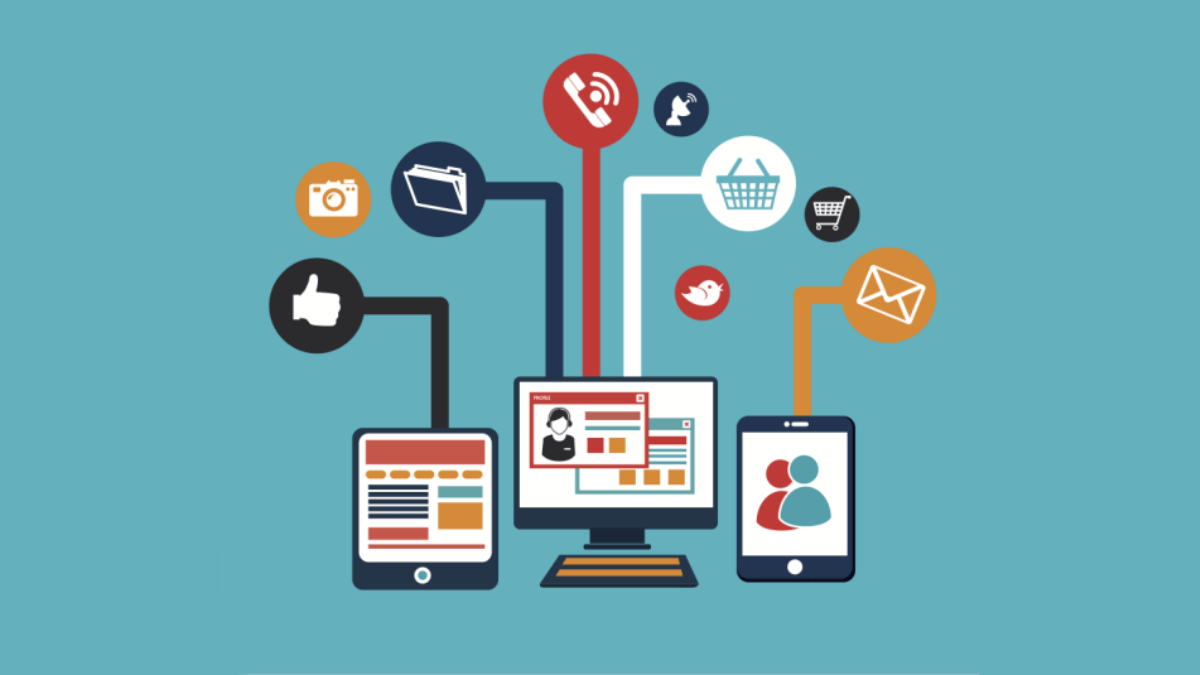
In today’s fragmented digital landscape, customers rarely convert after a single interaction. They discover brands through ads, explore via search, engage on social media, read emails, and compare reviews—often over weeks or months. Yet many businesses still rely on outdated measurement models that credit only one touchpoint. This is where the debate between single-touch and multi-touch attribution becomes critical. Understanding why single-touch fails—and why Multi-touch attribution wins—can fundamentally change how marketers allocate budgets, optimize campaigns, and drive sustainable growth.
What Is Single-Touch Attribution?
Single-touch attribution assigns 100% of the credit for a conversion to one interaction in the customer journey. This is typically either:
-
First-touch attribution – credit goes to the first interaction (e.g., an initial ad click).
-
Last-touch attribution – credit goes to the final interaction before conversion (e.g., a branded search or direct visit).
While simple to implement and easy to understand, this approach assumes that one moment alone caused the conversion—an assumption that rarely reflects reality.
Why Single-Touch Attribution Falls Short
1. It Oversimplifies the Buyer Journey
Modern consumers interact with brands across multiple channels and devices. Single-touch models ignore the influence of nurturing touchpoints such as educational content, retargeting ads, and email follow-ups. By focusing on only one interaction, marketers lose visibility into how demand is actually built.
2. It Skews Budget Allocation
When all credit is assigned to one channel, budgets often flow disproportionately toward bottom-funnel activities. For example, last-touch attribution may overvalue branded search while undervaluing awareness campaigns that introduced the customer in the first place. This leads to short-term optimization at the expense of long-term growth.
3. It Penalizes Upper-Funnel Marketing
Channels like display ads, video, social awareness campaigns, and thought leadership content play a crucial role early in the journey. Single-touch models frequently label these efforts as “underperforming” because they are not the final step before conversion—despite being essential.
4. It Encourages Misleading Performance Metrics
When measurement is flawed, decisions follow suit. Teams may pause campaigns that appear ineffective under a single-touch lens, even though those campaigns significantly contribute to conversions indirectly.
Understanding Multi-Touch Attribution
Multi-touch attribution distributes credit across multiple touchpoints in the customer journey. Instead of asking “What was the last click?” it asks, “How did all interactions work together to drive this conversion?”
Common multi-touch models include:
-
Linear – equal credit to all touchpoints
-
Time-decay – more credit to interactions closer to conversion
-
Position-based (U-shaped) – more weight to first and last touchpoints, with shared credit in between
-
Data-driven – algorithmic models based on actual performance data
Each model provides a more realistic view of how marketing channels collaborate.
Why Multi-Touch Attribution Wins
1. It Reflects Real Customer Behavior
Multi-touch attribution aligns with how people actually buy. Customers research, compare, hesitate, and return. By acknowledging every meaningful interaction, marketers gain a clearer understanding of what truly influences decisions.
2. It Enables Smarter Investment Decisions
When credit is shared appropriately, marketers can see which channels assist conversions—not just close them. This allows for more balanced budget allocation across awareness, consideration, and conversion stages.
3. It Improves Cross-Channel Strategy
Multi-touch attribution highlights how channels work together. For example, social media may spark interest, content builds trust, and email seals the deal. Recognizing these relationships helps teams design integrated, high-performing campaigns.
4. It Supports Long-Term Growth
Rather than optimizing solely for immediate conversions, multi-touch models encourage investment in brand-building and customer education. This leads to healthier pipelines, higher lifetime value, and stronger brand equity.
The Strategic Advantage of Multi-Touch Attribution
Beyond measurement, Multi-touch attribution changes how organizations think. It shifts the focus from channel competition to channel collaboration. Marketing teams stop asking, “Which channel gets the credit?” and start asking, “How do we design better journeys?”
This strategic clarity is especially valuable in competitive markets where customer trust and repeated engagement matter more than one-off clicks.
Challenges—and Why They’re Worth Solving
Admittedly, multi-touch attribution is more complex. It requires better data integration, consistent tracking, and analytical maturity. However, the payoff is accuracy. In a world where marketing budgets are scrutinized and ROI matters more than ever, relying on oversimplified models is a far greater risk.
Conclusion
Single-touch attribution belongs to a simpler digital era—one that no longer exists. Today’s customers are informed, multi-channel, and nonlinear in their decision-making. Measuring success through a single interaction not only misrepresents reality but actively undermines effective marketing strategy.
By adopting Multi-touch attribution, businesses gain a holistic view of performance, make smarter investment decisions, and build marketing systems designed for long-term success. In the modern marketing ecosystem, it’s not just that single-touch fails—it’s that multi-touch wins by design.
